
Botanical Illustration Prints: Nature's Art for Your Walls
Key Takeaways
- Botanical illustration prints are detailed artistic depictions of plant species, including flowers, leaves, roots, and seeds, originally created for scientific purposes and now celebrated as timeless wall décor;
- Their history spans over 500 years, from ancient medicinal herbals to the golden age of natural history art in the 17th to 19th centuries, making them one of the most enduring art forms in existence;
- They come in a wide range of styles, from vintage scientific illustrations and delicate watercolors to bold modern graphic prints, making them versatile for nearly any interior design aesthetic;
- Displaying botanical illustration prints at home has never been easier: with Mixtiles' adhesive, repositionable frames, you can create a stunning botanical gallery wall without a single nail hole or commitment.
Botanical illustration prints have quietly become one of the most beloved forms of wall art, and it's easy to see why. They bring the calm, organic beauty of the natural world indoors, adding warmth, color, and a sense of timelessness to any room. But what exactly are they, where do they come from, and how do you make them work in your home? This guide covers everything you need to know, from their rich history to modern display ideas.
Ready to bring nature indoors? Explore how Mixtiles can help you display botanical illustration prints beautifully on our signature photo tiles. No nails, no mess, no commitment.
What Exactly Are Botanical Illustration Prints?
Botanical illustration prints are detailed, carefully observed depictions of plant species, capturing everything from delicate petals and textured leaves to intricate root systems and seed pods. Originally produced to serve science, they are today prized as a form of wall art that brings natural history and organic beauty directly into the home.
Are They Art or Science?
The honest answer is both. Botanical illustrations were first created to help identify and document plant species for medicinal, agricultural, and taxonomic purposes. Artists worked closely with scientists to produce images of botanical specimens with extraordinary precision. Today, that same precision is exactly what makes them so compelling as art prints: every vein of a leaf, every fold of a petal is rendered with care and intention. Common media include watercolor, ink, pencil, and oil, sometimes in combination on a single sheet of paper.
What Counts as a "Botanical" Print?
The category is broader than you might expect. Botanical illustration prints include vintage herbal plates from the 16th century, scientific flora publications commissioned by botanical gardens, detailed watercolor studies of flowers and plants, pressed flower compositions, and contemporary botanical sketches. What sets them apart from generic flower photography or abstract floral art is their commitment to depicting real plant species with accuracy and close attention to botanical detail. If you want to understand how botanical prints relate to the wider tradition of plant and nature-inspired art, our floral art explained guide is an excellent place to start.
Where Do Botanical Illustration Prints Come From?
Botanical illustration prints have a rich, layered history rooted in science, exploration, and artistry. Their story begins in antiquity and reaches all the way to the present day, shaped by some of the greatest scientific and artistic minds in history.
Ancient Origins: Plants, Medicine, and the First Herbals
The earliest botanical illustrations appeared in ancient medical texts, where they served a clear practical purpose: helping readers identify plants for medicinal use. The Vienna Dioscurides, produced in 512 AD and based on the Greek physician Dioscorides' De Materia Medica, is among the earliest surviving illustrated botanical works. Over the following centuries, monks, physicians, and scholars across Europe and around the world continued to illustrate plants in herbals and pharmacopoeia, laying the groundwork for the art form we know today.
The Golden Age: 17th to 19th Century
Botanical illustration truly flourished between the 17th and 19th centuries, driven by scientific curiosity, global exploration, and royal patronage. As European empires expanded, botanists traveled around the world to document new plant species, bringing back specimens that demanded careful illustration. Artists such as Pierre-Joseph Redouté, widely known as the Raphael of flowers, Maria Sibylla Merian, and Basilius Besler produced some of the most celebrated botanical art prints in natural history. During the Victorian era, botanical illustration also became a respectable artistic pursuit for women, and illustrated botanical books became treasured collector's items across Europe.
From Scientific Record to Modern Décor
Over time, botanical illustration prints made the journey from scientific reference to cherished decorative art. As printing technologies improved and public institutions opened their collections, vintage botanical prints became widely accessible. Today, their combination of precise detail, natural beauty, and historical depth makes them one of the most sought-after categories in home décor, from full gallery wall installations to single statement pieces above a mantelpiece.
Found a style you love? With Mixtiles, you can mix and match botanical illustration prints across any aesthetic to create stunning gallery walls. You can rearrange them anytime without damaging your walls. Start building your photo walls today.
What Are the Most Popular Styles of Botanical Illustration Prints?
Botanical illustration prints come in a wide range of styles, each with a distinct mood and visual personality. The table below offers a quick overview to help you identify which style suits your space, followed by a closer look at each one.
|
Style |
Key Characteristics |
Best For |
|---|---|---|
|
Vintage Scientific Illustrations |
Aged tones, Latin annotations, precise anatomical detail |
Traditional, farmhouse, and scholarly interiors |
|
Watercolor Botanicals |
Soft, luminous, fluid color on paper |
Bedrooms, nurseries, and romantic spaces |
|
Monochrome Ink Drawings |
Clean lines, black and white, minimal composition |
Scandinavian, modern, and minimalist interiors |
|
Modern and Abstract Botanicals |
Bold graphic shapes, saturated color, stylized forms |
Contemporary, eclectic, and statement walls |
Vintage Scientific Illustrations
Vintage botanical prints draw directly from the natural history publishing tradition of the 17th to 19th centuries. They often feature hand-lettered Latin species names, muted sepia or aged tones, and extraordinarily detailed depictions of plant anatomy. A curated collection of vintage botanical art prints displayed together creates an atmosphere of cultivated curiosity, ideal for a home library, study, or farmhouse-style living space.
Watercolor Botanicals
Watercolor is perhaps the most popular medium in botanical illustration, and for good reason. Soft washes of color capture the translucency of petals and the gentle gradations of green foliage with a lightness that few other techniques can match. Watercolor botanical prints bring a romantic, airy quality to a room, making them a natural fit for bedrooms, living rooms, and any space where calm and warmth are the primary goal. To explore the techniques and history that make this medium so distinctive, our watercolor art explained guide covers everything you need to know.
Monochrome Ink Drawings
For a more restrained, graphic look, monochrome botanical ink drawings offer clean lines and precise detail without the distraction of color. They work beautifully in modern and Scandinavian-inspired interiors, where the emphasis is on simplicity and form. A collection of black-and-white botanical art prints in matching frames makes a confident and sophisticated statement on any wall.
Modern and Abstract Botanicals
Modern botanical illustration prints take the natural world as their starting point and reimagine it through a contemporary lens. Bold outlines, saturated palettes, and graphic compositions give familiar plant forms a fresh, striking energy. These prints are an excellent choice for anyone who loves the botanical genre but wants something that feels new and current rather than historically referential.
Which Rooms Work Best for Botanical Illustration Prints?
One of the greatest strengths of botanical illustration prints is their versatility. They suit almost every room in the home, adapting naturally to different moods, functions, and decorating styles.
Bedrooms and Living Rooms

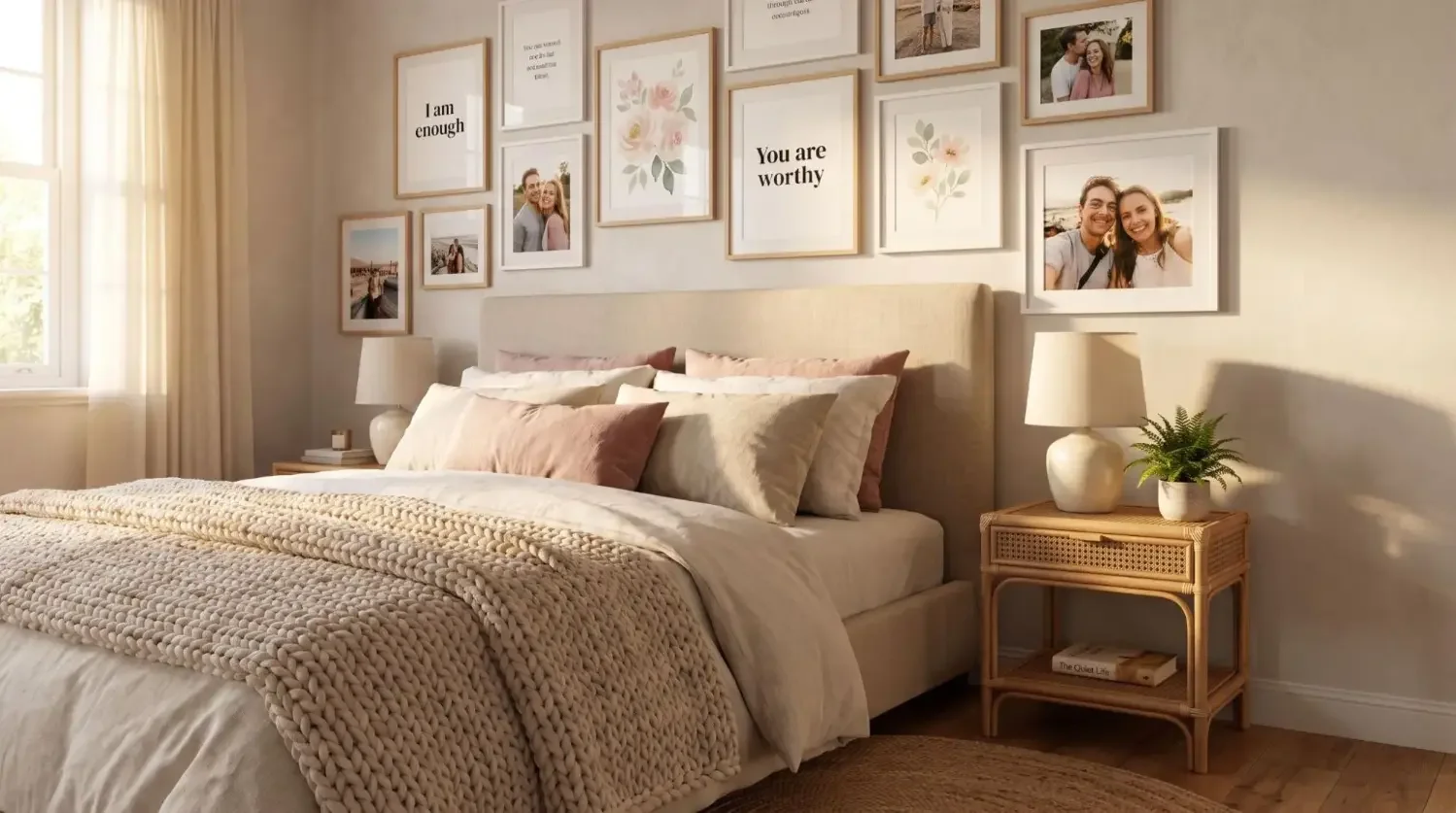
In a bedroom, soft floral botanicals or calming green leaf prints above the bed promote rest and a sense of connection to nature. In a living room, a curated botanical gallery wall mixing different print styles and sizes can serve as a sophisticated and personal focal point. Pairing botanical wall art with natural materials such as wood, linen, and rattan enhances the organic feel and brings the garden inside without a single potted plant.
Kitchens and Dining Rooms

Botanical illustration prints with a culinary or garden theme are a natural choice for kitchens. Herb studies, fruit illustrations, and vegetable prints drawn from the natural history tradition tie in thematically while adding genuine artistic interest. In a dining room, leafy arrangements and seasonal floral art prints introduce an understated elegance that makes every gathering feel a little more considered.
Home Offices, Hallways, and Bathrooms

A well-chosen botanical print can transform even purely functional spaces. In a home office, subtle plant illustrations create a calming backdrop that supports focus and creativity. Hallways and staircases come alive with a vertical series of botanical prints that guide the eye upward and create visual rhythm throughout the home. In a bathroom, botanical wall art brings freshness and a spa-like sense of calm. Mixtiles' adhesive frames are particularly well suited for these spaces: they remove cleanly from walls without leaving marks, making them ideal for renters and anyone who likes to refresh their décor regularly.

How Do You Style and Display Botanical Illustration Prints at Home?
Whether you're working with a single large art print or building a full gallery wall, a few straightforward principles will help your botanical collection look its very best.
Creating a Botanical Gallery Wall
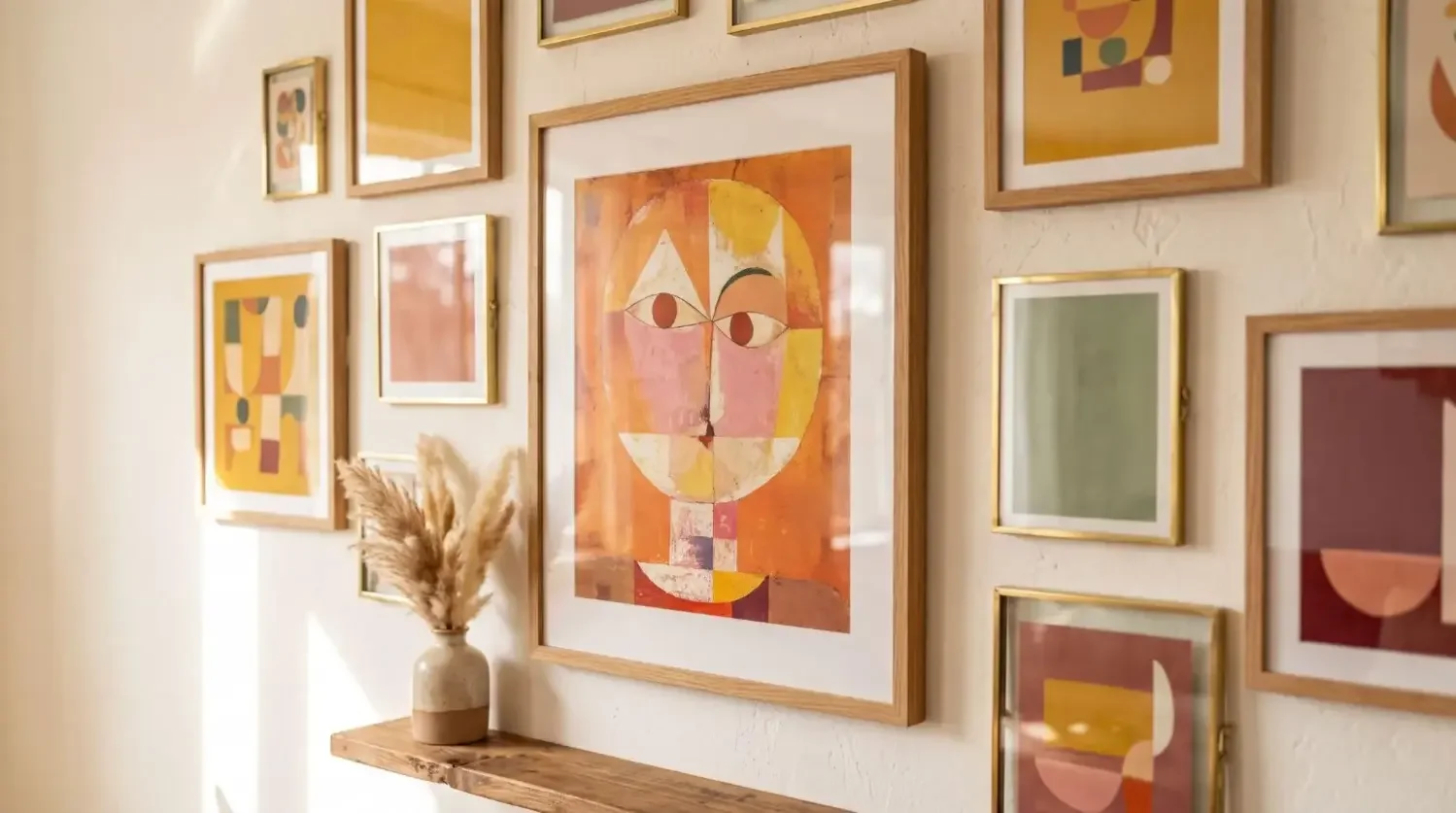
Start by deciding on a unifying element: a shared color palette, a plant family theme, or a consistent artistic style. Mixing sizes adds visual interest and depth to a botanical gallery wall. Lay your prints on the floor first to plan the arrangement before committing to the wall. For detailed inspiration and layout ideas specifically built around this style, our dedicated botanical gallery wall guide walks you through every step of the process. With Mixtiles, this creative process is completely pressure-free. The adhesive, repositionable frames let you experiment with layouts and adjust positions as many times as you need, with no nails, no marks, and no stress. Sizes range from 8x8 canvas prints (21.35×21.35 cm) to 27×36 inches (68.58×91.44 cm), giving you plenty of options for building a dynamic, layered display.
Mixing Botanical Prints with Other Art Styles
Botanical illustration prints pair beautifully with many other art styles, making them an ideal anchor for eclectic gallery walls. If you want to go further with your arrangement, our guide on how to arrange art on a wall offers practical techniques for achieving a balanced and visually cohesive result. Here are some combinations that work particularly well:
- Pair botanical prints with abstract art to soften bold lines and introduce organic warmth;
- Combine them with landscape photography for a layered, nature-inspired wall that tells a story;
- Mix with vintage maps or architectural sketches to build a visually rich indoor-outdoor narrative;
- Use consistent frame colors or mat styles to tie a mixed collection together into a cohesive whole.
Choosing the Right Frame Style and Size
Simple frame styles tend to work best with botanical illustration prints, as they let the art take center stage. Wood, black, and gold frames are all classic choices that complement both vintage botanical prints and modern botanical compositions. A single large-format print makes a confident statement as a solo piece, while smaller prints shine when grouped together in a coordinated collection. Mixtiles offers a full range of frame styles and sizes, so you can find exactly the right format for any wall in your home.
Botanical illustration prints are far more than a passing décor trend. They are a centuries-old art form that has earned its place in homes around the world, prized for their beauty, their connection to natural history, and their remarkable adaptability to different spaces and styles. Whether you're drawn to the scholarly detail of vintage botanical art prints, the softness of a watercolor floral, or the graphic energy of a modern botanical composition, there is a print to suit every room and every taste. The beauty of botanical wall art lies in its timelessness: it never goes out of fashion, and it always makes a space feel more alive. Now all that's left is finding your favorites and making them yours.
Turn your love of botanical illustration prints into a stunning wall display with Mixtiles. Our adhesive, repositionable canvas prints let you build, rearrange, and refresh your space anytime. No nails, no stress, just beautiful walls. Order your custom canvas prints now.
Frequently Asked Questions
Are botanical illustration prints in the public domain?
Many historical botanical illustrations created before the 20th century are in the public domain and can be reproduced freely. Major institutions such as the Biodiversity Heritage Library and the Royal Botanic Gardens at Kew offer digitized collections for download. Always verify the specific license before printing or reproducing any image.
What plants are most commonly depicted in botanical illustration prints?
Roses, peonies, tulips, and orchids are among the most frequently illustrated flowering plants. Ferns, palms, and tropical foliage are also widely represented, as are herbs, citrus fruits, and wildflowers. The natural history tradition documented thousands of species, so there is something available for nearly every preference.
What is the difference between a botanical illustration print and floral art?
Botanical illustration prints aim to depict a real plant species accurately, capturing its structure and identifying features. Floral art is primarily expressive and decorative, with no obligation to scientific accuracy. The distinction matters when choosing between historical precision and artistic interpretation for your space.
How can I tell if a botanical illustration print is high quality?
Look for fine detail in the rendering of leaves, petals, and stems. High-quality prints are produced on acid-free paper using archival inks, which prevents fading and yellowing over time. Reputable sellers will provide paper weight, print resolution, and ink specifications before purchase.

Be the first to know — deals, news & decor ideas.
By clicking you agree to the Terms of Use & Privacy Policy